
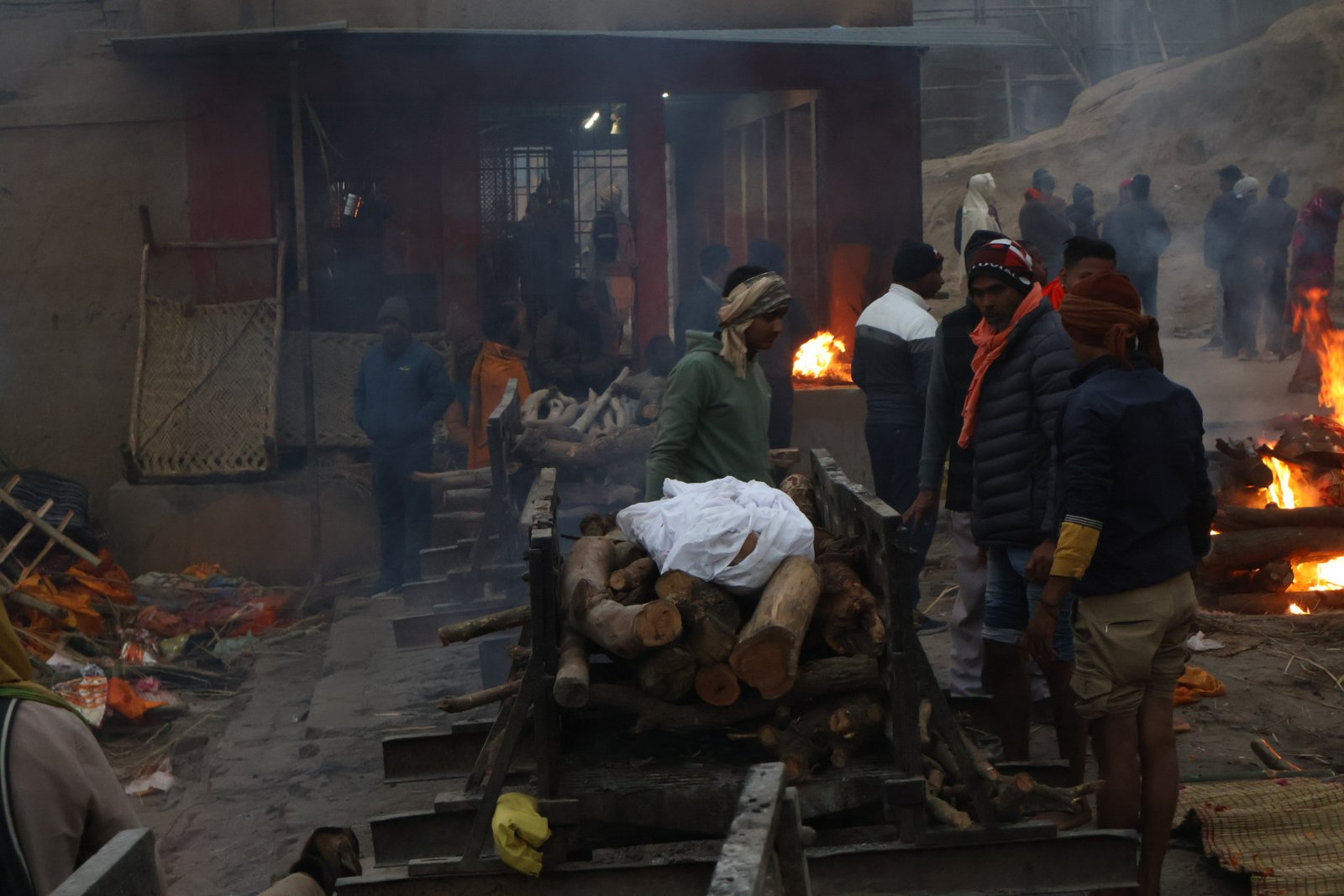
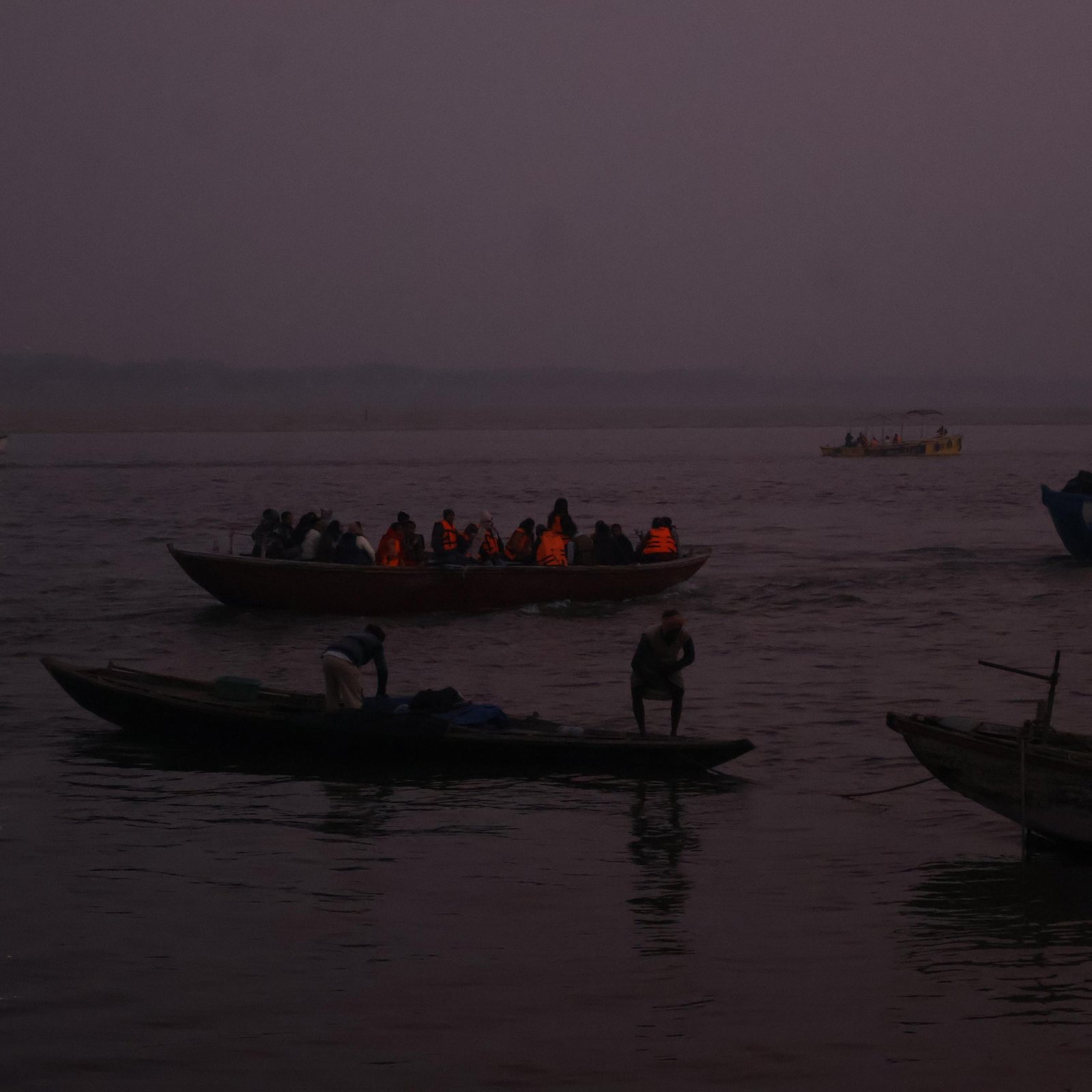
It is dark enough for the river to look like metal.
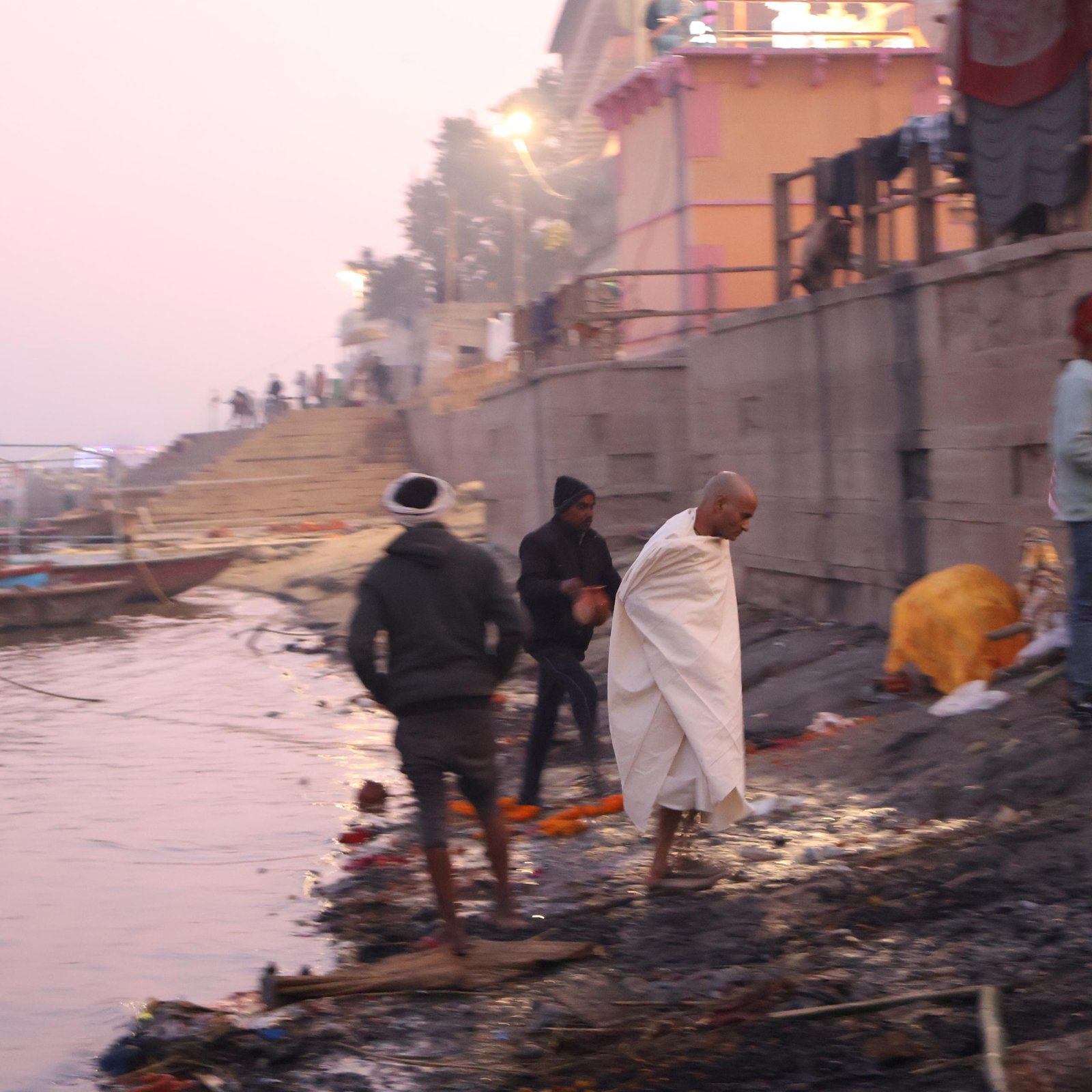
A boat slides past without sound. Somewhere behind me, a bell is struck once, then not again for several minutes. The air at the ghat is mixed in that unmistakable Varanasi way: a little cold, a little smoky, touched by ash, damp stone, burnt wood, stale flowers, and the first thin suggestion of morning tea.
Nothing announces itself dramatically. That is what stays with me. Even at a cremation ground, Banaras rarely performs its depth the way outsiders expect. It continues. A pyre is arranged. Someone waits with a bundle of wood on his shoulder. The city does not pause to explain itself.
Then a question rises: Was this always Harishchandra Ghat?
The Question Beneath the Steps
Names make places feel settled. Once a space is called something long enough, it begins to seem inevitable, as if the name had been waiting there from the beginning, stitched into the stone. But cities do not begin in the way guidebooks imagine them. They begin in use.
A landing place. A muddy edge. A place to bathe. A place to unload grain. A place to burn the dead. A place where a shrine gradually gathers reputation. A bend of steps where one family comes again and again. A city learns itself function by function before it learns itself as heritage.
Kashi, perhaps more than most cities, invites us to confuse oldness with fixity. We think that because a ritual is ancient, the exact name and the exact border of the place must also be ancient. But riverfronts change. Patronage changes. Buildings rise, collapse, are rebuilt, renamed, sanctified, restored, and narrated into new identities.
So the question becomes more interesting when asked gently: not “Is Harishchandra Ghat real?” but “When did this cremation ground become Harishchandra Ghat in the full imaginative sense we now inherit?”
Before Harishchandra
The broader riverfront of Varanasi, as we know it today, is not a single frozen relic from antiquity. Heritage records and historical overviews repeatedly note that the riverfront became especially prominent over time, and that many of the monumental palaces, facades, and formal ghats visible today took shape under powerful waves of later patronage, especially under Maratha rulers and allied estates between the eighteenth and nineteenth centuries.
That matters because a named ghat is not just a patch of steps. It is also an urban decision. It is architecture, sponsorship, ritual emphasis, memory, and inscription made visible. If many ghats assumed their current formal shape later, then some of the names by which we now know them may also have settled later, even where an older function already existed.
This seems especially plausible with cremation grounds. A space used for burning the dead does not need a poetic proper noun in order to function. It can simply be known by what it does: the shmashan, the burning ground, the place where bodies are brought.
And if one looks backward through the older sacred geography of Kashi, Manikarnika stands out with unusual force. It appears again and again as the more ancient and central cremation imagination of the city. Even in nineteenth-century material, Prinsep’s lithograph explicitly names Manikarnika. That does not erase Harishchandra Ghat, but it does suggest that the older cremation center of gravity may have been elsewhere, more firmly, more continuously, before later names attached themselves with confidence.

That is perhaps the first shift in perception. What we call Harishchandra Ghat today may once have been another cremation ground on the sacred edge of the river, before mythology, patronage, and urban naming thickened around it.
The King Who Would Not Leave Truth
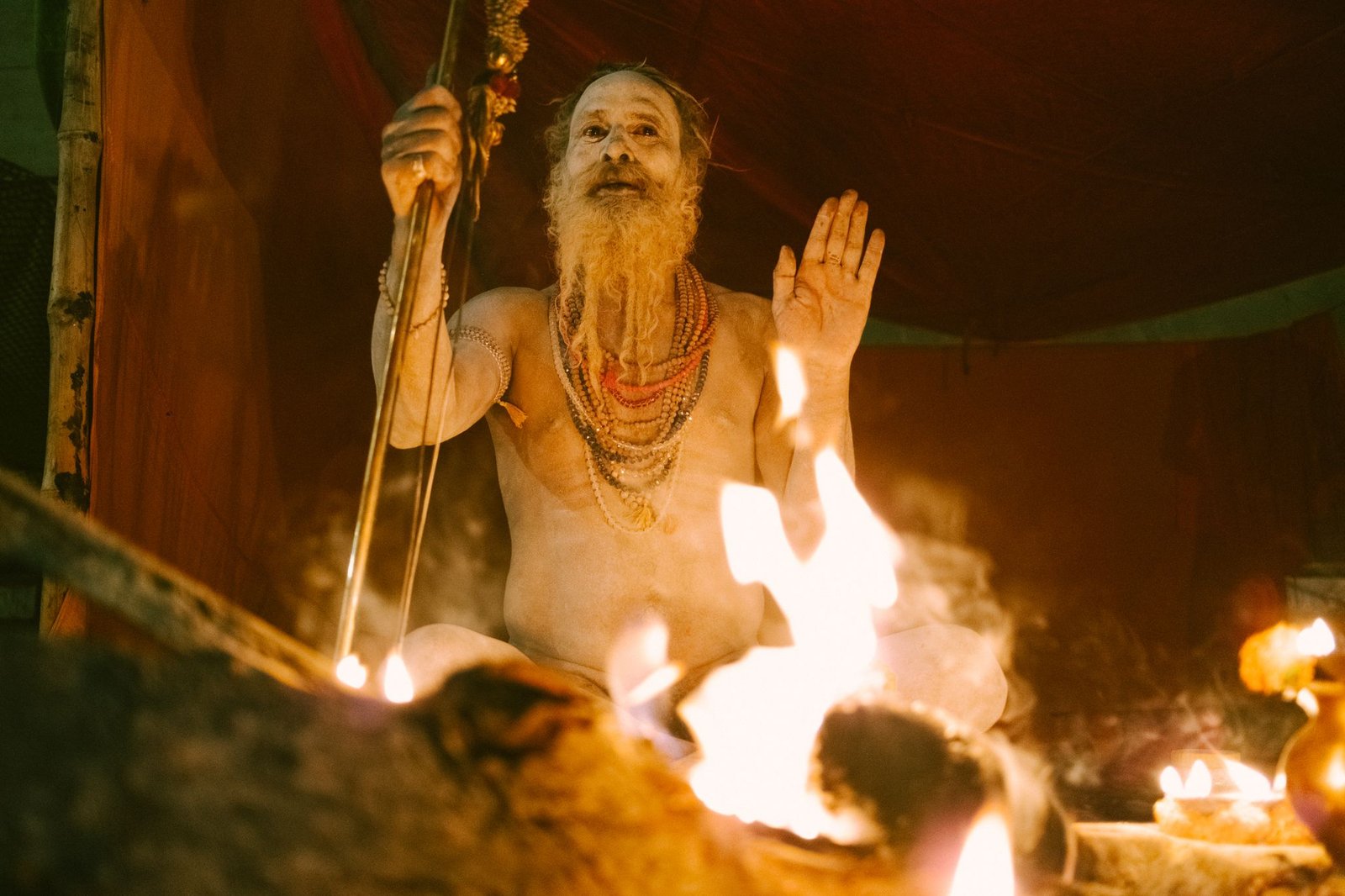
His story survives across layers of Hindu literature, but what most people remember is its moral center. A king loses everything rather than abandon truth. He gives away his kingdom. He is separated from his wife and son. He serves at a cremation ground. Even there, stripped of dignity and role, he does not let go of his vow.
It is one of those stories that Indian civilization has never really stopped retelling because it is not only about virtue in the abstract. It is about what remains of a person when title, comfort, and social identity are burned away.
But the crucial point is this: the story is older and wider than the present certainty of one named ghat. It belongs first to literary and moral imagination. It is symbolic before it is municipal. It is existential before it is geographical.
Which means it is entirely possible, even likely, that the story later attached itself more firmly to an already functioning cremation site. Not as a fraud, not as an error, but as a very human act of meaning-making. A place of death receives the name of the king who learned truth there. A cremation ground that already held difficult human reality becomes illuminated by a story capable of carrying it.
This is how sacred geography often works. Myth does not always point to a GPS coordinate. Sometimes it settles where human recognition finds it most resonant.

When Maps Begin to Speak
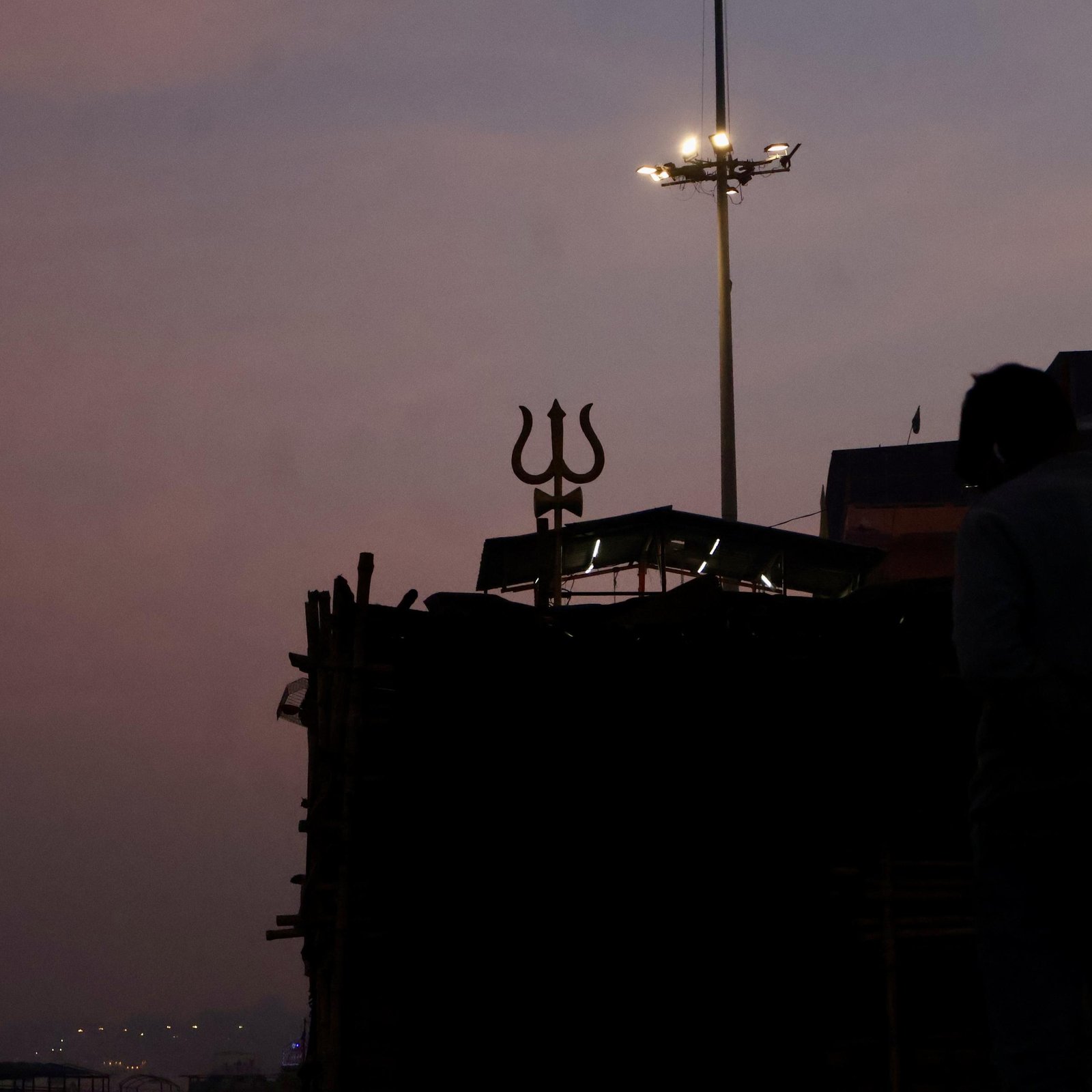
Looking at old maps and sketches of Banaras is a strange experience. They feel precise and unstable at the same time. Prinsep’s work, in particular, holds that tension. He names, sketches, measures, and observes. Yet what comes through most strongly is not permanence but transition: a riverfront consolidating, a city becoming legible through survey, image, and print.
Early maps do not simply say, “Here is the city exactly as it always was.” They show that the city was being organized into record. They show identities becoming clearer in documentation. One ghat is named. Another is drawn. Another enters the archive later, or with a different emphasis, or in relation to another landmark. The map is not outside history. It is part of history’s naming process.
This is why archival work can feel almost philosophical. The absence of a name is not proof that a place did not exist. It may only mean that the place had not yet been fixed in the way the archive wanted to see it. It may have existed as use, custom, local memory, and ordinary speech long before it became a proper noun in an official record.
And that may be exactly the right way to think about Harishchandra Ghat. Not as a fake late invention, but as a space whose present identity emerged gradually: function first, story next, form later, certainty last.

What the Ground Does Every Day
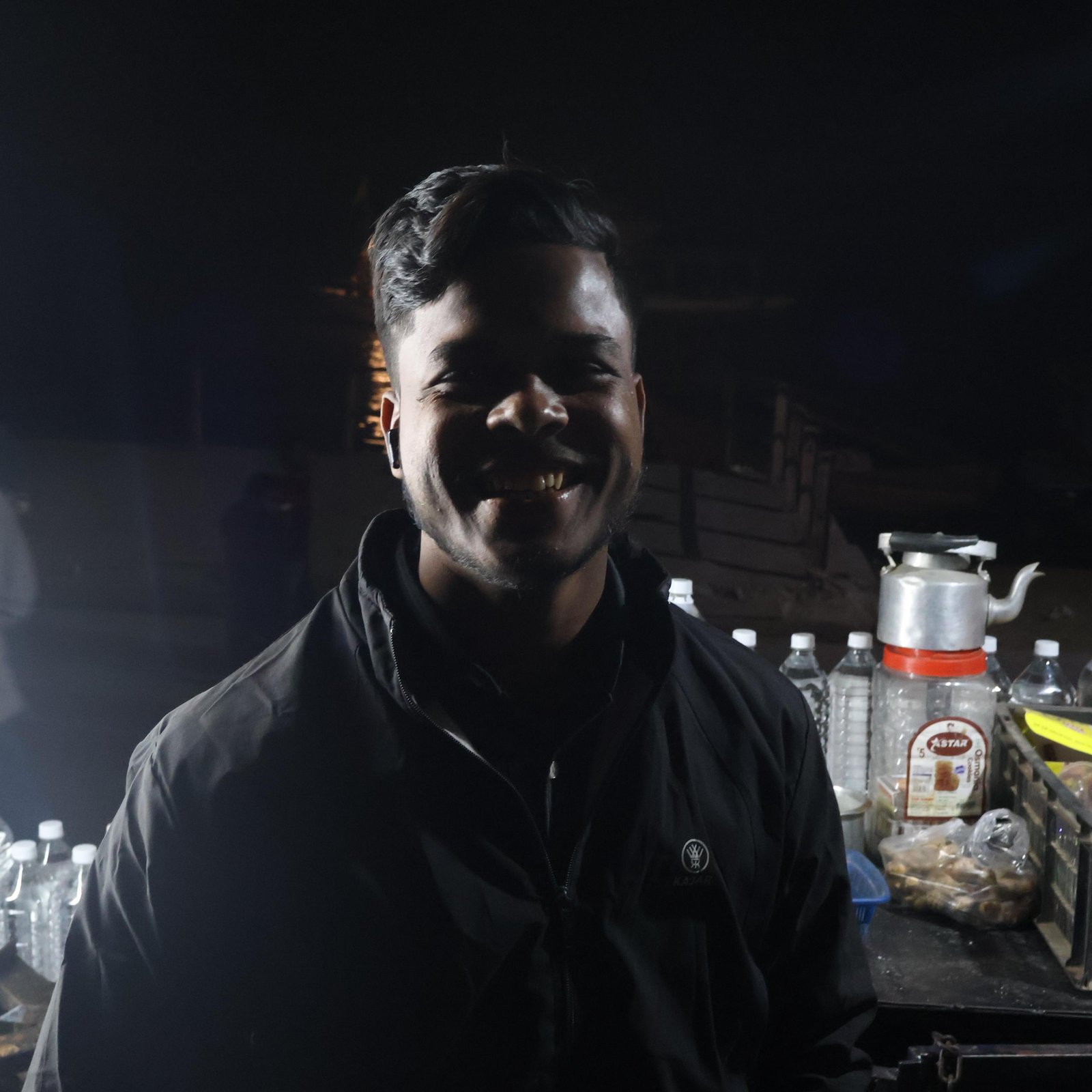
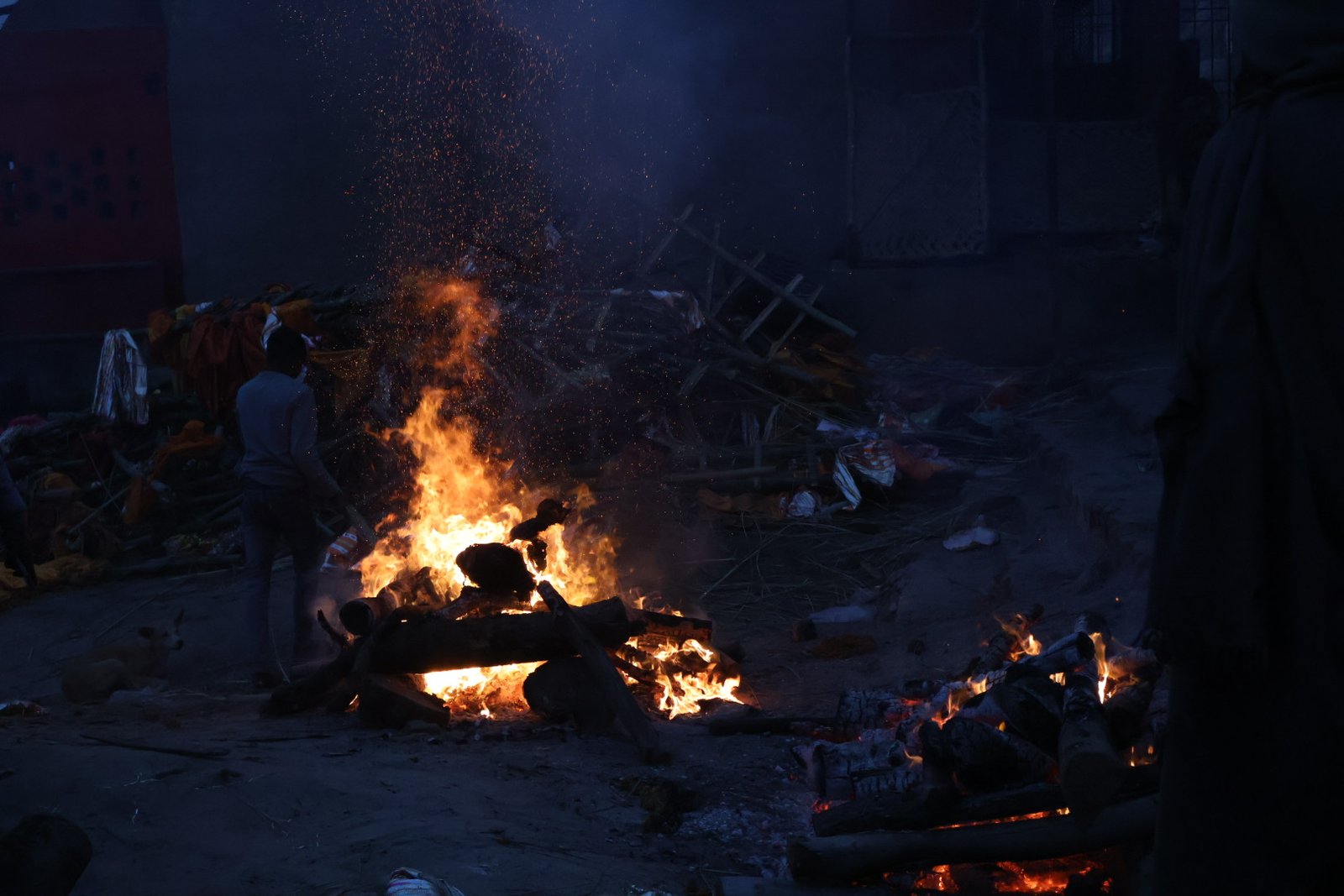
But the cremation ground is not only archive, symbol, or theology. It is also labor. Wood arrives in carts. Bodies arrive wrapped and borne by family. Men negotiate space around burning pyres. Tea is poured a few steps away. Someone watches. Someone waits. Someone cleans. Someone carries bamboo back from what has already ended.
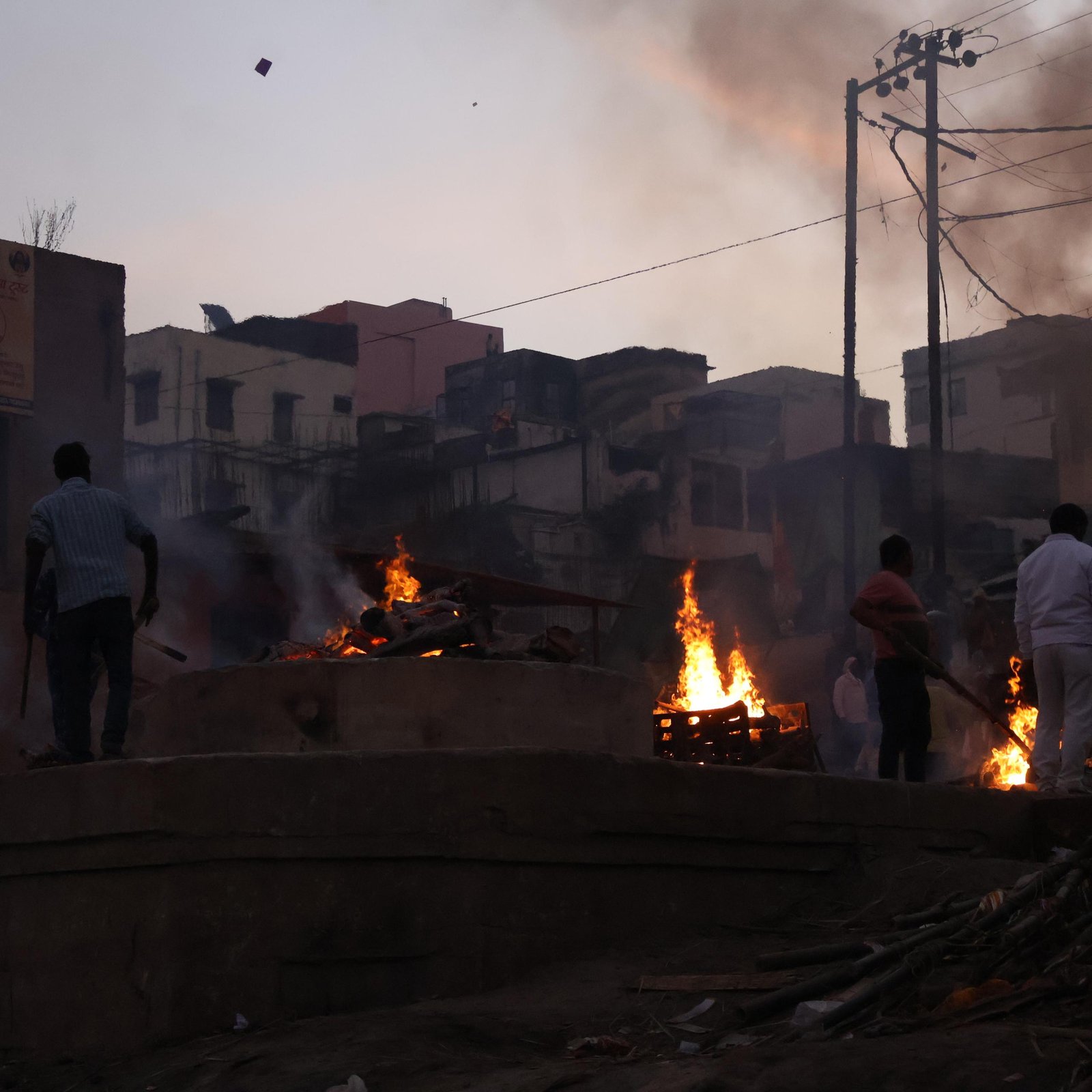
That is perhaps what unsettles many first-time visitors most. Death here is not hidden behind walls. It has entered the grammar of the neighborhood. The people closest to it do not perform shock for the outsider’s moral comfort. They move with a practiced familiarity that can seem severe from a distance, though it is often simply the realism of those for whom this is woven into daily life.
One winter morning I saw a woman bending over a bed of ash, lifting still-warm pieces from the embers at the edge of a pyre. She was not doing anything theatrical. She was collecting heat to carry back for her family. What stayed with me was not only the act itself, but the ease with which it belonged there. No one around her reacted as though some boundary had been crossed. For them, perhaps, no abstract boundary existed in the way I had imagined it. Fire, survival, grief, smoke, labor, winter, and household need had already learned to coexist.
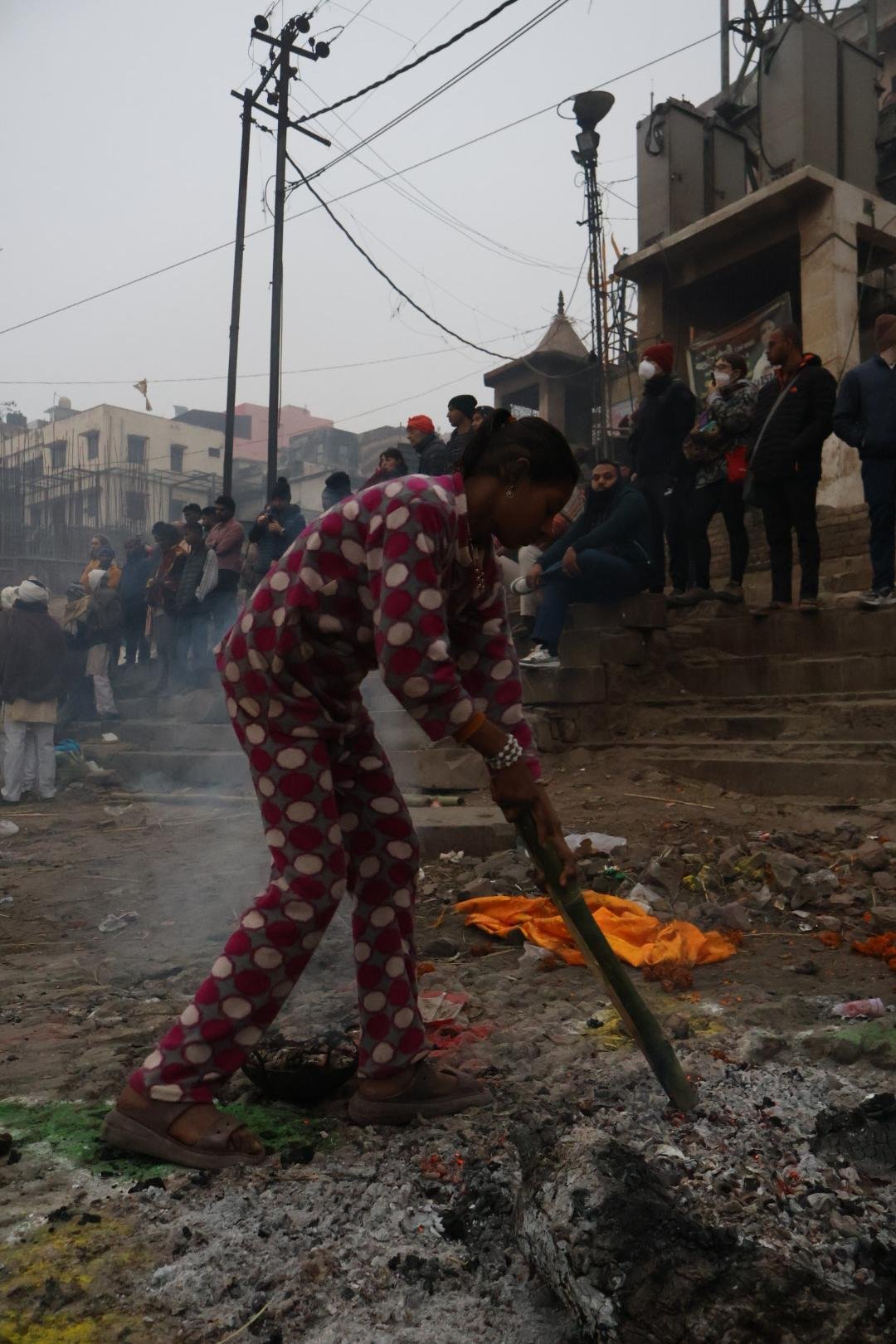
This does not make the ground less sacred. If anything, it makes it more difficult and more complete. A cremation ghat is not pure symbol floating above life. It is life under pressure, life in contact with endings, life refusing the luxury of separation. The sacred here is not protected from necessity. It passes through it.
What Places and Lives Have in Common
How many things in our own lives are lived unnamed at first?
A difficult season is not called transformation while we are inside it. A long confusion is not yet “the year everything changed.” A love is not immediately known as devotion. A loss is not at once wisdom. We pass through stretches of existence the way a city passes through unnamed functional spaces. Only later do we look back and say: that was the beginning, that was the burning ground, that was the crossing, that was the place where one identity ended and another quietly began.
Perhaps this is why Kashi can feel less like a city of monuments and more like a city of delayed understanding. It does not always tell you what you are seeing while you are seeing it. Sometimes it lets you stand in the smoke, hear the bells, watch the ash drift down the steps, and go away uncertain. Then, much later, the name arrives.

Walking Away
By the time the sun finally lifts, Harishchandra Ghat is no less itself for having once been otherwise. If anything, it becomes more alive. The place does not lose dignity when one imagines it before the name. It gains depth. One begins to sense that identity here, as everywhere, is layered: use beneath myth, myth beneath masonry, masonry beneath memory, memory beneath the simple human need to continue naming what matters.
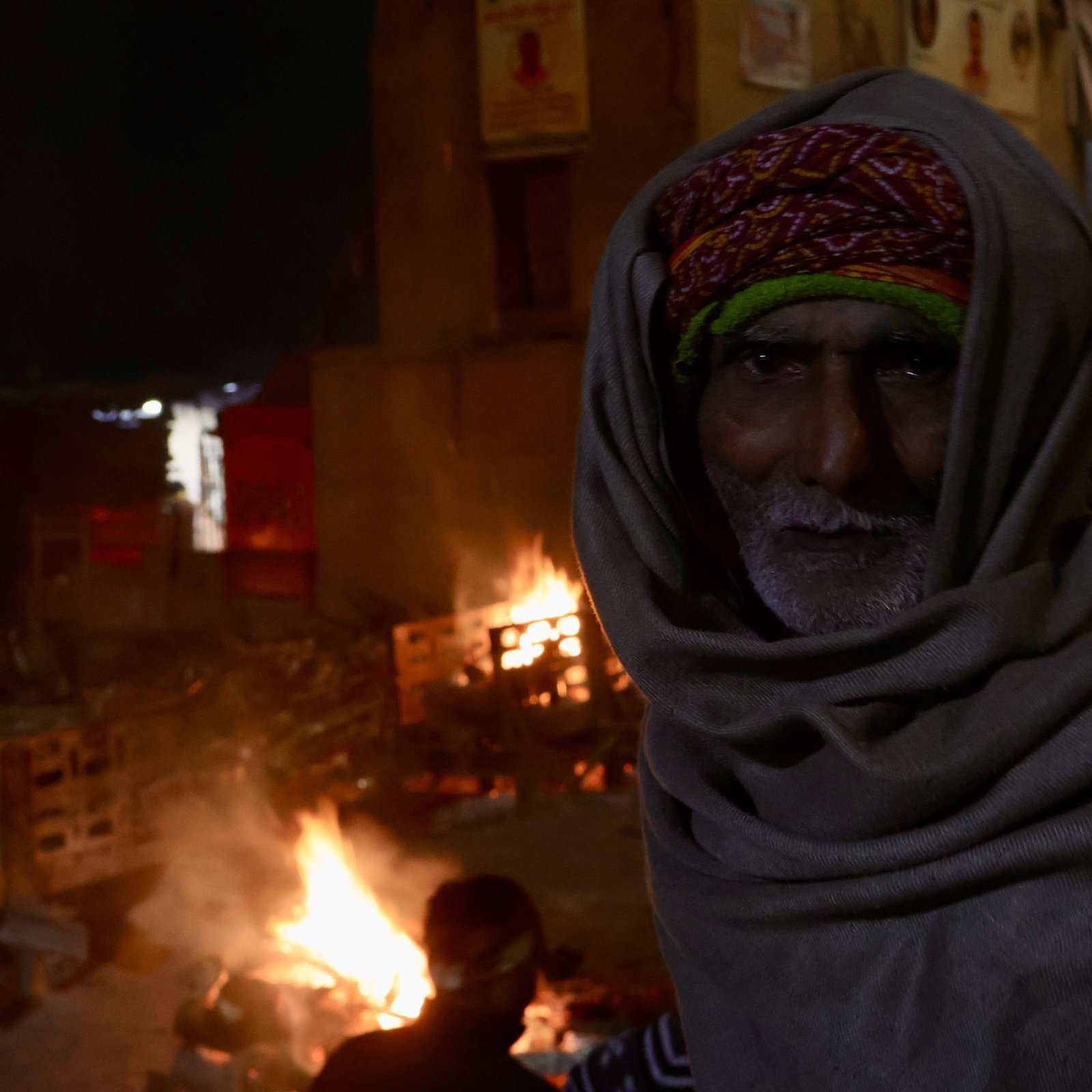
I leave with the smell of smoke still clinging faintly to my clothes.
And with a quieter thought than the one I arrived with: maybe the most real things in life are not those that begin with clear names, but those we inhabit first in uncertainty, only later realizing what they were becoming.
Maybe places become sacred in the same way people become themselves.
Not all at once. Not from the beginning. Not before the fire.
This essay draws on nineteenth-century visual material by James Prinsep, on heritage descriptions of Varanasi’s riverfront, and on older literary traditions around King Harishchandra. The reflective connection between those sources is interpretive, which feels fitting for a city that has always asked to be read in layers.