
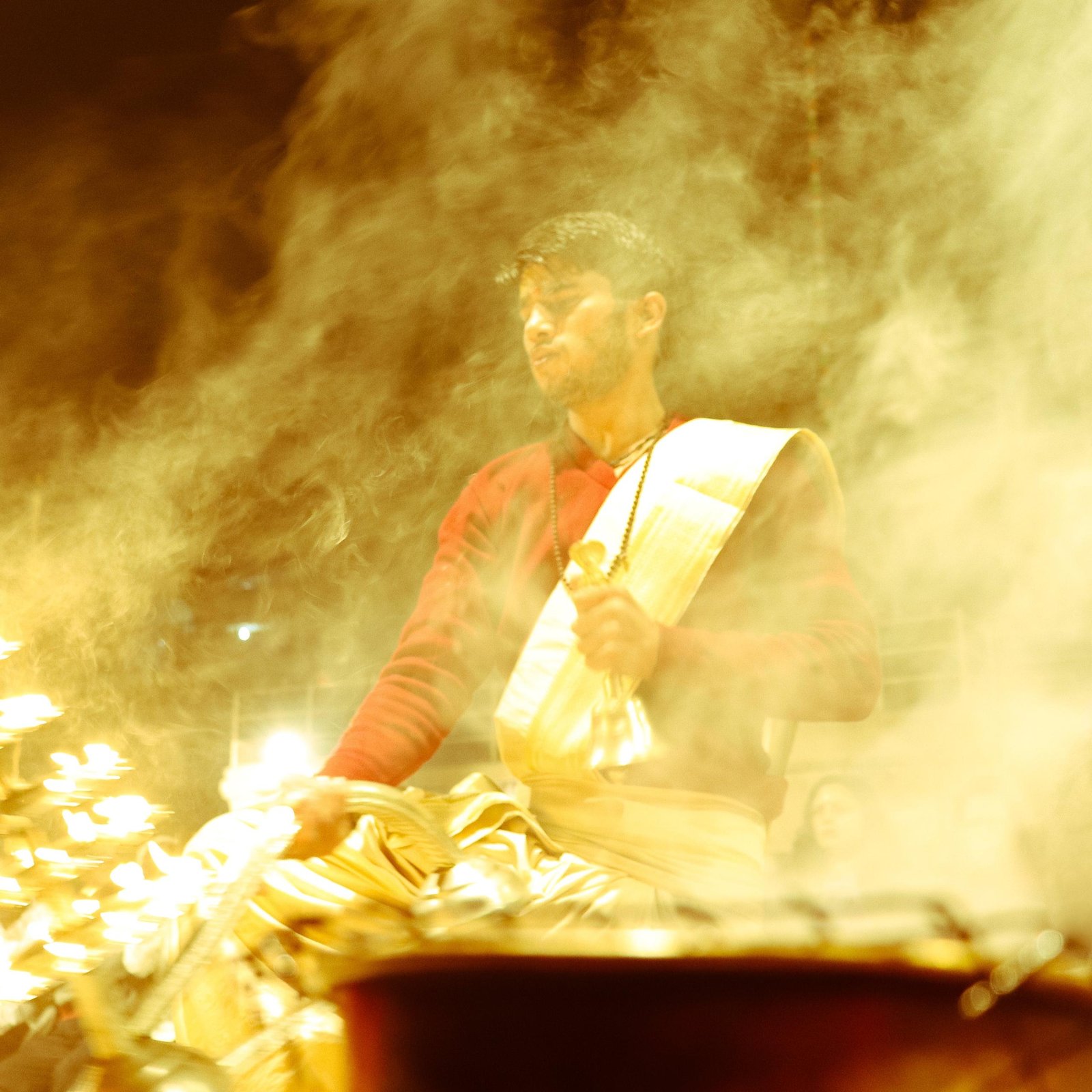

Varanasi can make a visitor feel two things at once: wonder and uncertainty.
That uncertainty is not a problem. In many sacred spaces, it is the beginning of the right attitude. The difficulty comes when uncertainty turns into performance: too many photos, too much movement, too much talking, too much desire to “understand everything” immediately. Ritual space rarely opens itself through force.
What helps more is a different kind of intelligence. Not only information, but sensitivity. Not only knowing what a place is called, but feeling how to stand in it.
Begin with Your Body, Not Your Camera
A useful first question in ritual space is not “What is happening?” but “How am I arriving?” Are you rushing in? Are you scanning for an image? Are you speaking loudly because you are unsure what else to do? Sacred places often register the body before they register your interpretation.
Slowing down is already a form of respect. So is stepping aside rather than inserting yourself into the center of an action you do not yet understand. So is noticing where people are watching from, where shoes are left, how lines form, when silence appears, and what kind of distance others are keeping.
Silence Is Also Participation
Many travelers imagine that if they are not “doing” something, they are missing the experience. But in Varanasi, some of the most important forms of participation are quiet ones. Watching without interruption. Waiting without impatience. Letting a chant remain a chant rather than turning it immediately into content or explanation.
This does not mean you must become solemn in a theatrical way. It simply means allowing the space to establish its own tone before imposing yours on it. In some places, the right response is stillness. In others, it is gentle movement. In others, it is stepping back altogether.

Attention to Context Matters
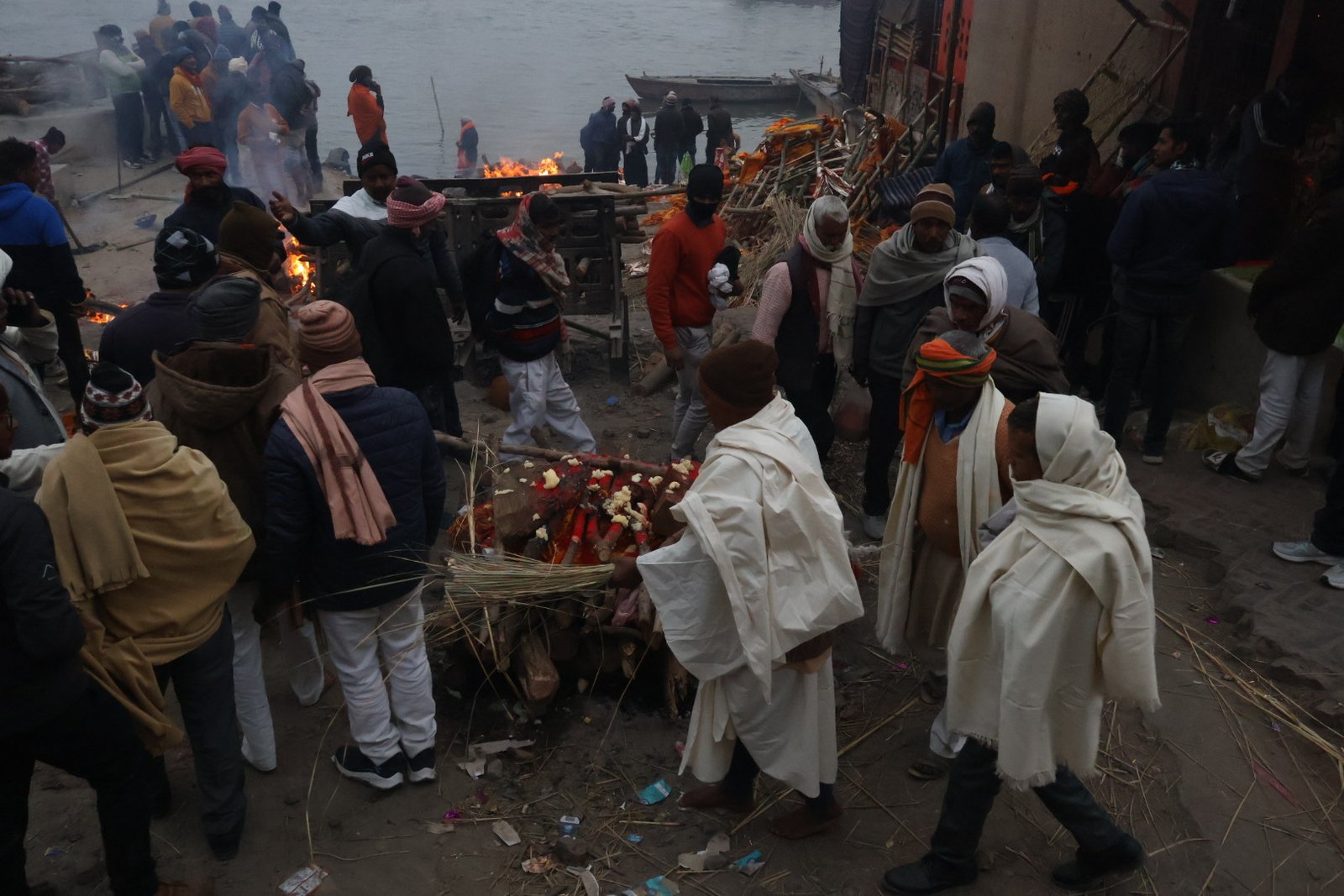
Not all sacred spaces are the same, and not all rituals invite the same kind of presence. A public ghat ceremony is not the same as a neighborhood shrine. A major temple line is not the same as a quiet morning offering on the river steps. A cremation ground is not the same as an aarti you have come to witness more openly. Sensitivity grows when we stop treating every sacred place as though it belongs to one category called “spiritual India.”
This is one reason local guidance matters. The same action may feel harmless in one place and deeply inappropriate in another. A person familiar with the city’s ritual atmospheres can often save a visitor from reducing everything into either fear or spectacle.
Photography Is Not Neutral
Photographs are not always wrong, but they are never neutral. The moment a camera is raised, the relationship changes. Sometimes that change is small. Sometimes it is enormous. In ritual spaces, it helps to ask not only “Am I allowed?” but also “What happens to the atmosphere if I do this now?”
There are moments that become thinner when they are turned into images too quickly. There are also moments involving grief, private devotion, or embodied vulnerability that should not be taken at all. Sensitivity means allowing some things to remain partly unclaimed by the eye.
Respect Is Not Distance Alone
Some visitors respond to sacred spaces by becoming so cautious that they stop being present altogether. That too can become a kind of avoidance. Sensitivity does not mean emotional withdrawal. It means a more intelligent form of nearness.
You can be present, moved, curious, and deeply attentive without trying to occupy the center. You can receive ritual without claiming ownership over it. You can ask questions, but after the right interval. You can feel something meaningful without needing to prove that feeling outwardly.
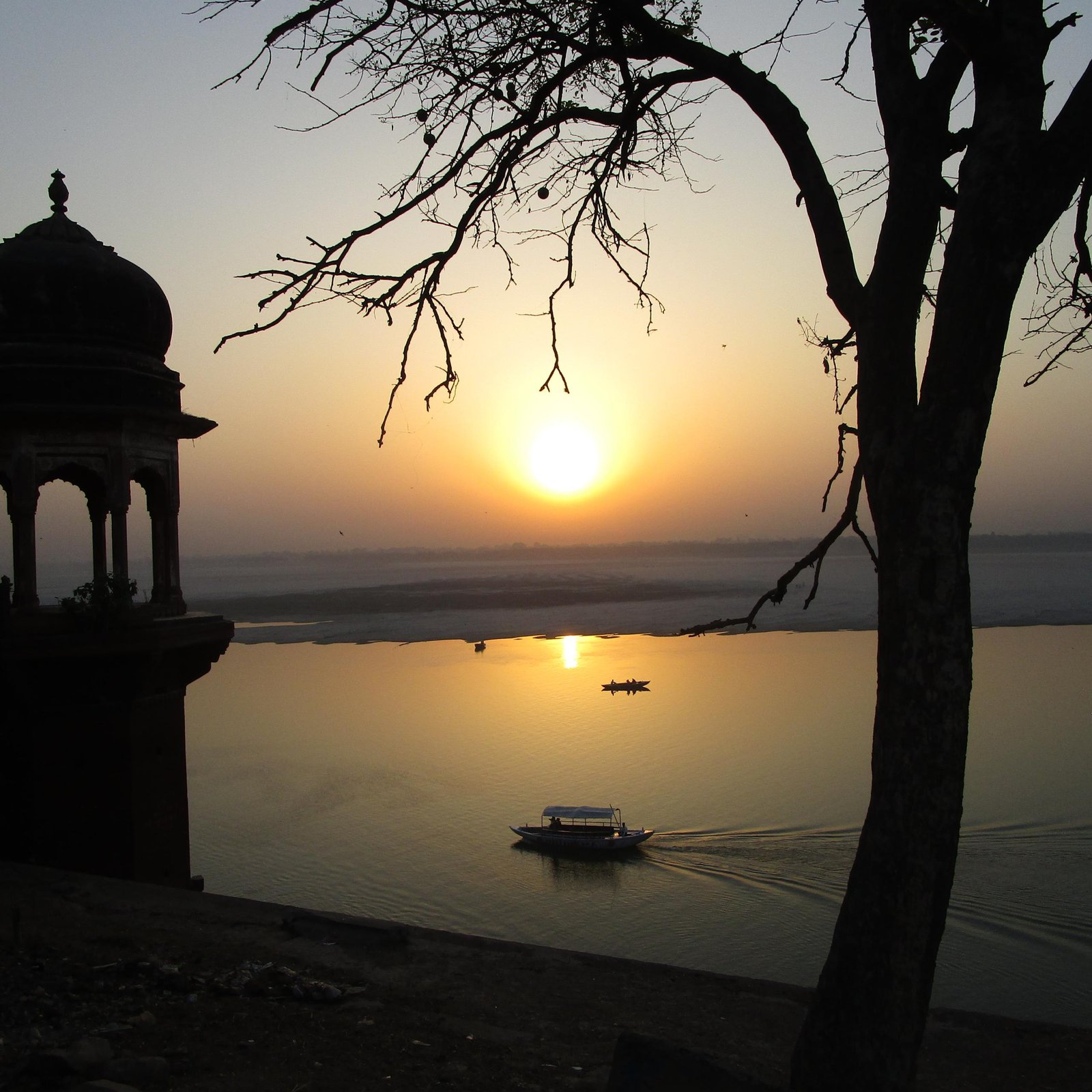
This is especially important in Varanasi, where sacred life is not sealed off from ordinary life. A shrine may be beside a tea stall. A chant may be beside traffic. A temple queue may be shaped as much by neighborhood habit as by formal ceremony. Sensitivity here means learning to move inside that layered reality without flattening it.
To approach ritual spaces with sensitivity is not to become an expert overnight. It is to practice a better quality of attention. In Varanasi, that often matters more than explanation.For readers who want a wider frame for understanding living traditions, UNESCO’s work on Intangible Cultural Heritage offers a useful starting point.
hj